It’s September - Time to Place Your Heirloom Bulb Order!
The school year has begun, football cheers are in the air, and cider mills have opened - signs that fall is on its way. That means it is time to get your orders in for fall-planted bulbs to be sure we have enough bulbs to fill your garden with spring blooms.
If you have placed an order, check our
Fall-Planted Bulbs for new additions. Please review your order this week to let us know if you would like to add anything or to make address/shipping corrections.
Don’t Miss the Newly Added Peony Varieties
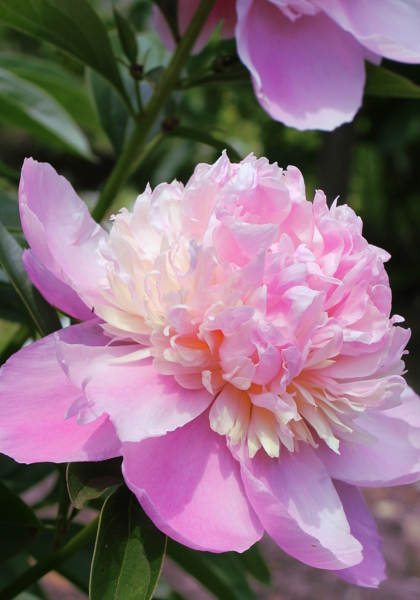
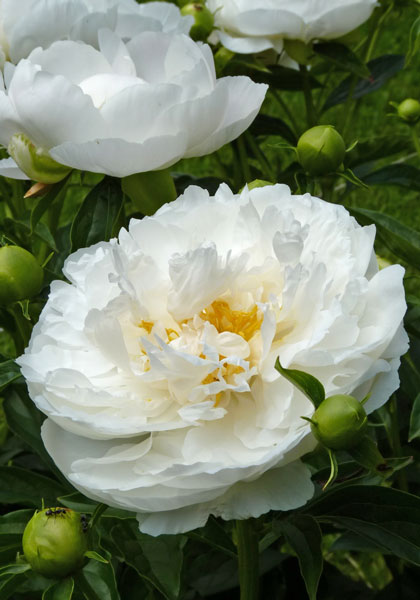
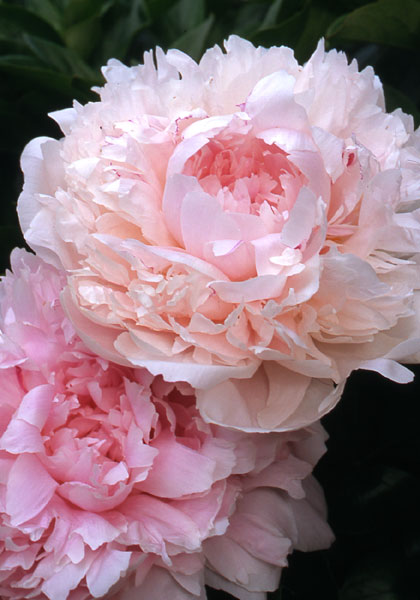
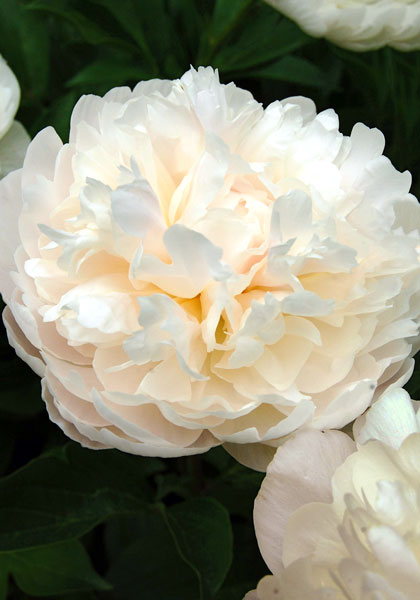
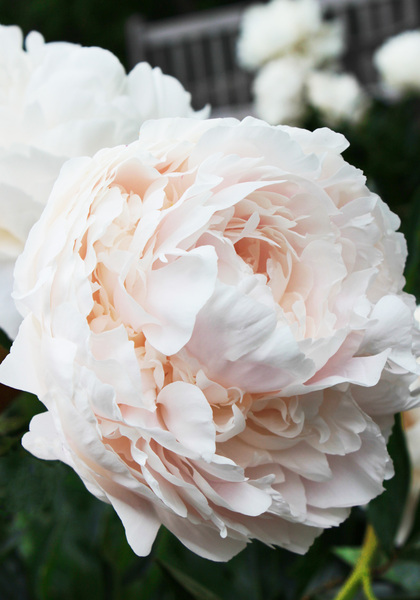
Five peonies have been added to our collection: Baroness Schroeder, Madame Ducel, Miss America, Myrtle Gentry and Solange.
Dividing and Transplanting Peonies
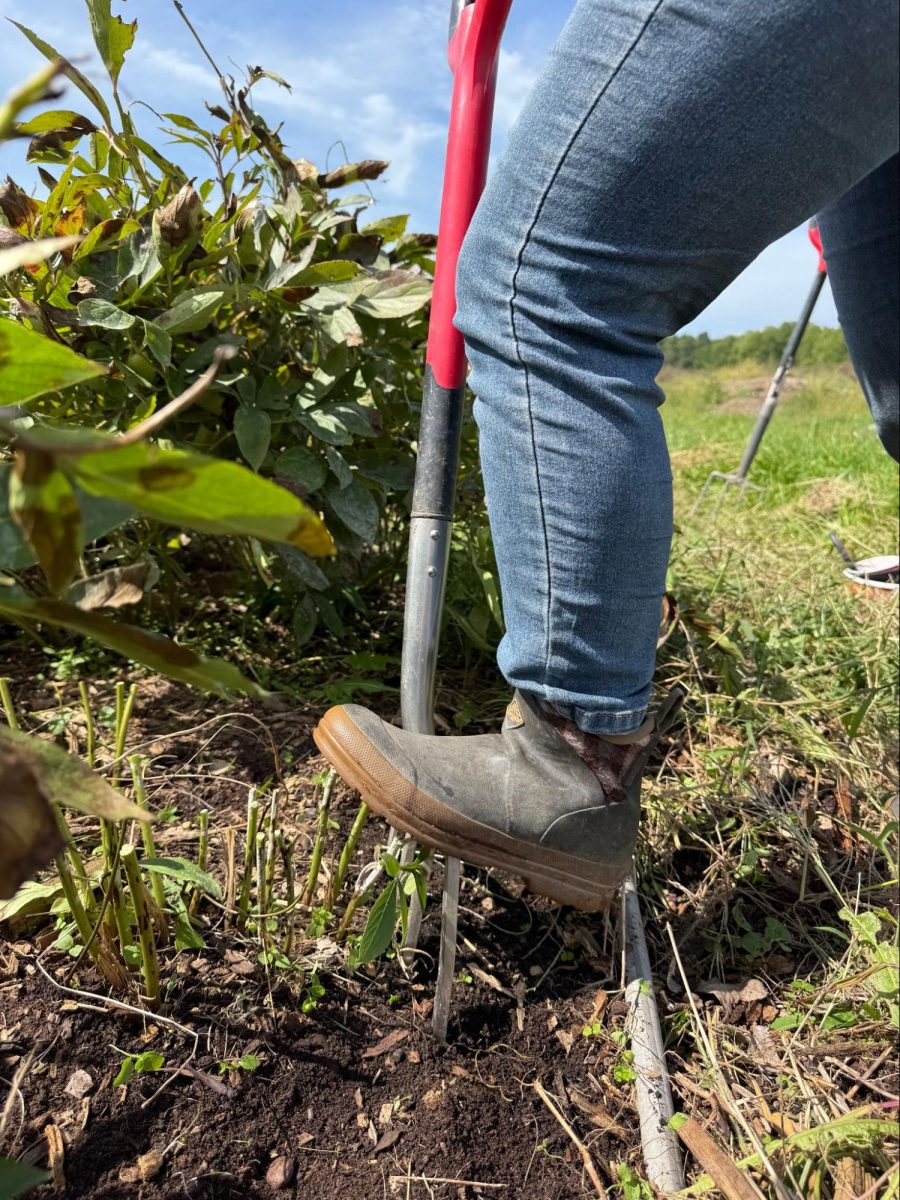
If you have had a peony for 8 to 10 years, it may be time to divide it - especially if you have noticed fewer blooms, if the center is dying, if you would like to share with friends, or if you would like to move it to a new location. Fall is the best time to do this – as the leaves begin to die back, a few weeks before the ground freezes – giving the new roots some time to get established before winter.
Here are the steps to success when dividing peonies:
- Cut the foliage so you can see the crown – about 2-3 inches above the ground.
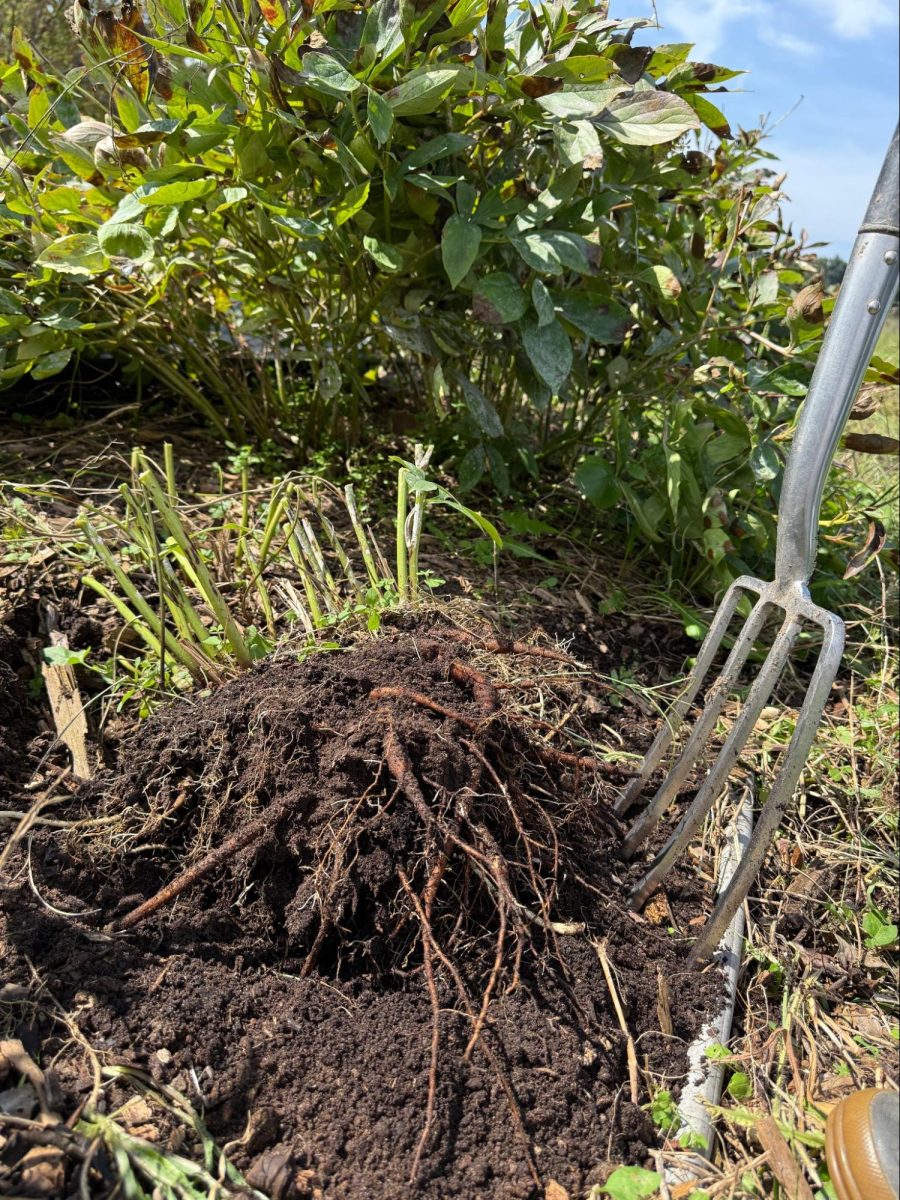
- Dig up the clump – Digging a circle 12 to 18 inches from the center of the plant will allow you to slip a shovel or pitchfork underneath to remove the root ball. Large peony roots can be rather heavy.
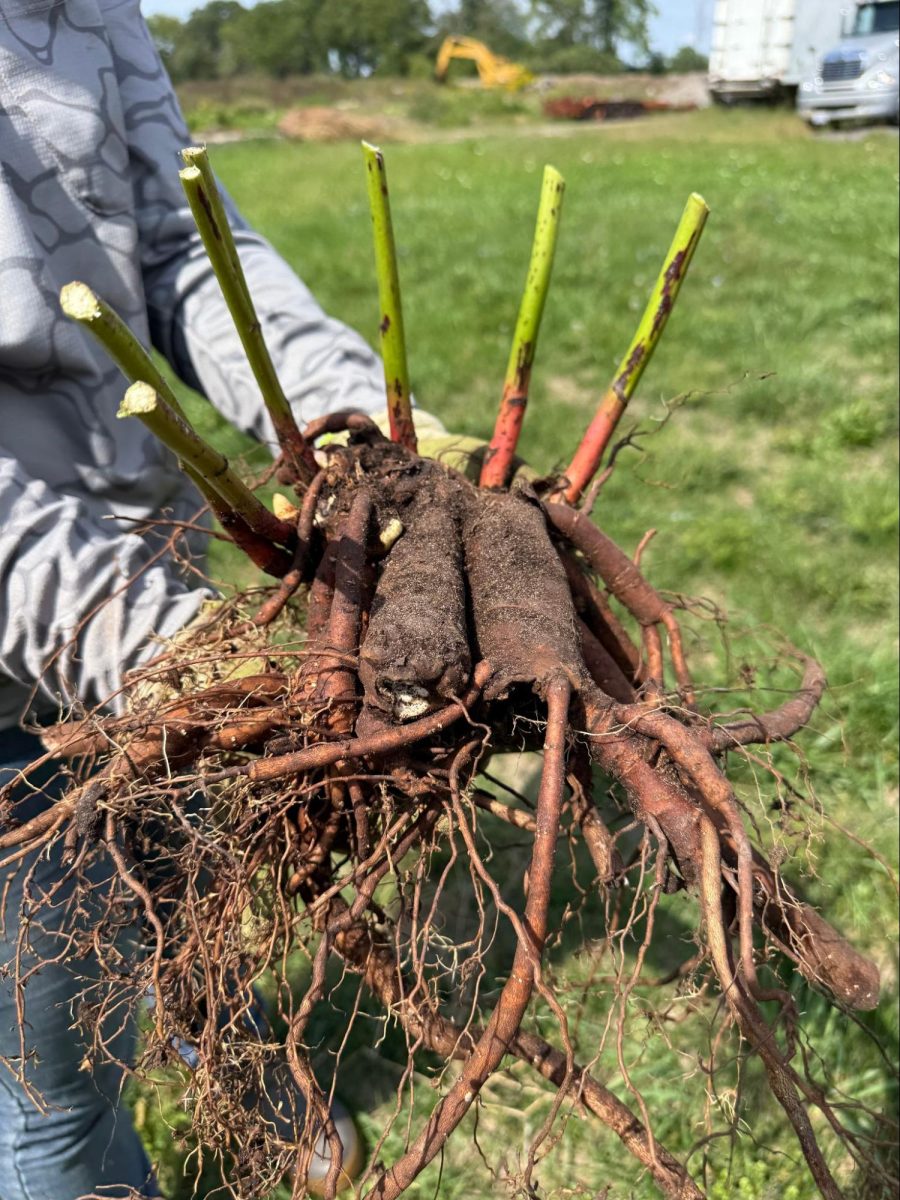
- Clean the roots – Shake off the loose dirt, then use a hose with low pressure to rinse off enough dirt to be able to see the structure.
- Find the eyes – Look for small pink buds near the top of the roots. These are the eyes that will grow into next year’s stems.
- Cut the sections – Use a knife or pruners cleaned with a bleach solution to cut the root ball apart. Make sure each section has 3 to 5 eyes and a healthy root. Discard any soft, rotted parts.
- Replant the divisions in a sunny location with good drainage – New plants should be 3 to 4 feet apart and planted no more than 1 inch or at most 2 inches deep with the eyes facing up. Planting peonies too deep will cause them to not bloom.
- Water thoroughly. All of a new peony’s energy is going toward growing its root system. This requires regular watering – 2 to 3 times per week until the ground freezes, then no water is needed unless there is no rain/snow for a long period.
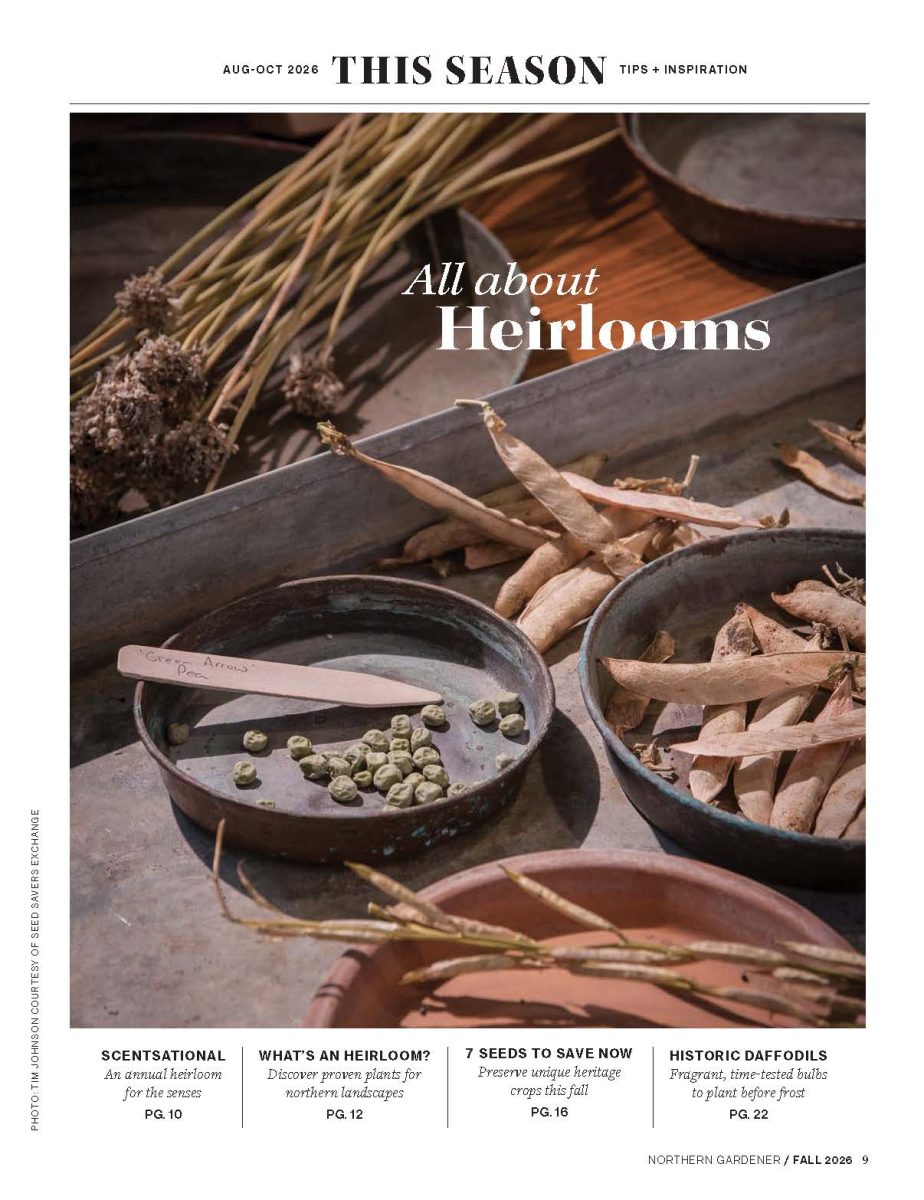
Northern Gardener Magazine Focuses on Heirlooms for Fall 2026
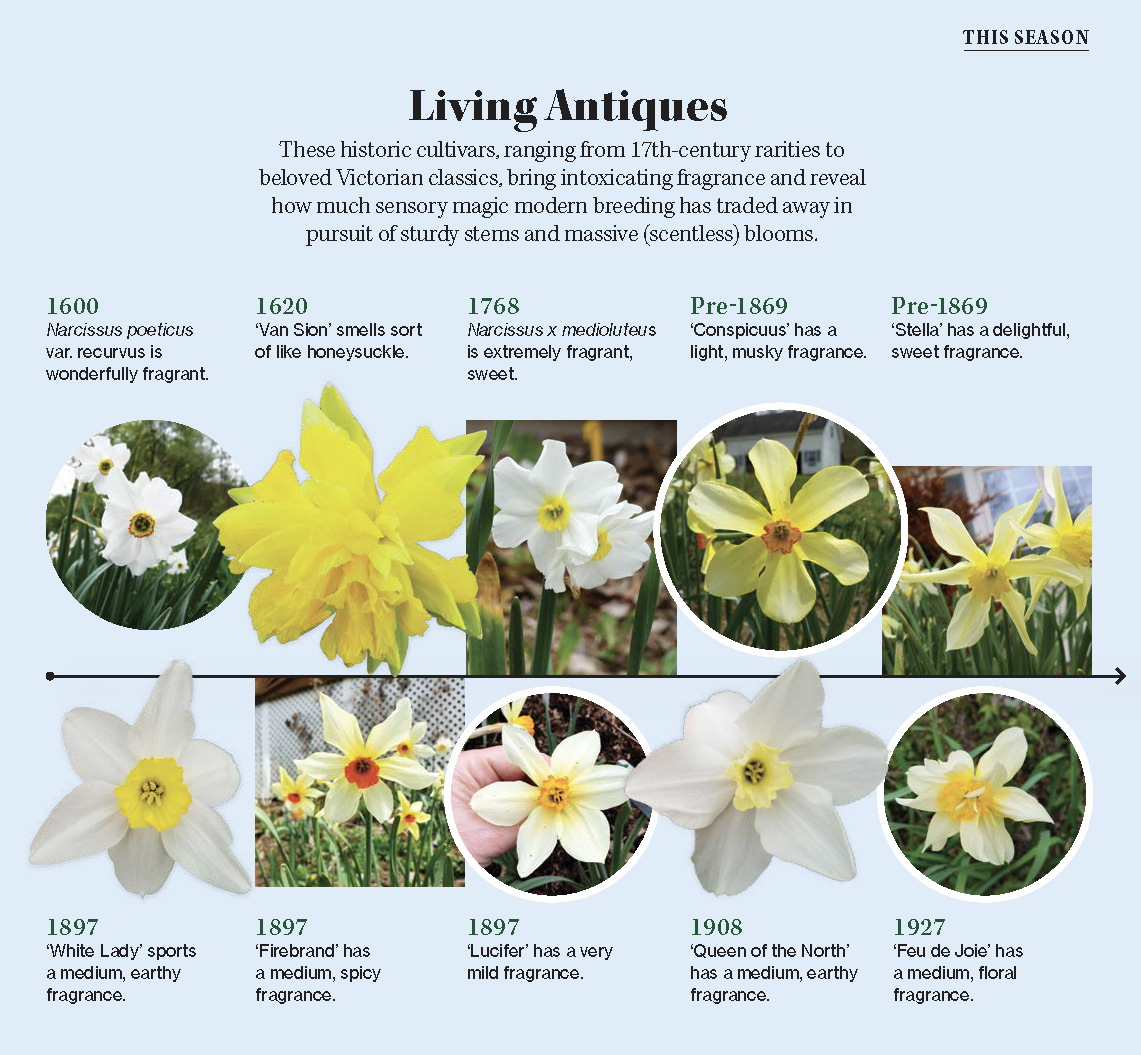
The fall issue of Northern Gardener begins with a Q&A by Diane McGann titled “What Is an Heirloom? And Why Do They Matter?” Another article, by Old House Gardens customer Kathy Purdy, continues the heirloom theme with “A Bulb for the Ages: Some Varieties of Heritage Daffodils Have Been Around for Centuries.”
McGann’s Q&A notes that heirlooms are typically defined as “any open-pollinated variety introduced at least 50 years ago,” although traditionalists argue that a variety must be at least 100 years old to qualify. Most heirloom plants were developed before widespread hybridization became common in the 1950s.
An April 15, 2015
blog post by OHG founder Scott Kunst,
“Heirloom Myth-Busting #2: Does an Heirloom Have to Be 50 Years Old?”, points out that there is no “International Registrar for Heirloom Plants that’s charged with officially defining the term.” Scott argues that “a specific cut-off date for heirloom plants is misguided, and that rarity or endangeredness has to be as much a part of the definition as age itself.”
What about beautiful flowers that weren’t open-pollinated—or those that are short-lived and are in danger of disappearing in less than 50 years without someone saving, storing, and replanting them? Many plants have fascinating histories or are simply beautiful and worth preserving. They contribute to biodiversity and are wonderful plants. As Scott says, they “allow us to experience the incredible diversity of the past.”
Kathy Purdy turns specifically to historic daffodils and points out how different Victorian tastes were from today’s flower-show standards. “Historic daffodils are defined as those developed before 1940, around the 1939 start of World War II in Europe.” The Victorian preference was “smaller-cup daffodils” with “what some called a “wildflowers look” or a “relaxed, floppy appearance.”
Kathy’s own experience with historic daffodils began when she ordered and planted every Old House Gardens variety that looked like hers in hopes of identifying a mystery daffodil already growing in her garden. She successfully identified her mystery daffodil and, in the process, added several other heirloom narcissus to her collection.
In doing so, she discovered the joy of growing flowers that were available when her house was built—a living connection to the history of her home and garden.
We hope you find some heirlooms of your own to cherish – plants that can help connect us to the people, places, trends, and gardens of the past.
To Make Sure Our Newsletter Reaches You Safely . . .
Please add newsletter@oldhousegardens.com to your email address book or safe/approved list today.
Follow Old House Gardens - Heirloom Bulbs
To Unsubscribe
We hope you enjoy our monthly
Gazette, but if not
UNSUBSCRIBE here and we’ll drop you from our list immediately.